


Step-by-step plan for real estate investments
This is how you proceed if you want to invest in real estate
The step-by-step plan
There is a lot to consider when investing in real estate. How do purchasing, financing, rental, taxation and permits work? You can avoid disappointments by using the correct documentation, asking the right questions and calling in experts. We have drawn up a step-by-step plan for you so that you can start investing in real estate well prepared and not be faced with any surprises. If you have any questions regarding this article, you can contact us at any time. We are happy to help you.
Step 1: map out your financial situation
When starting to invest in real estate, obtaining real estate financing is an essential step. It is therefore important to map out what your financing options are and for what amount you can purchase an investment property. This means you can strike quickly when the right opportunity presents itself. Once you have prepared your financing application, you will know:- What purchase amount you can go to
- What additional costs you will have
- What minimum rental income you need to generate
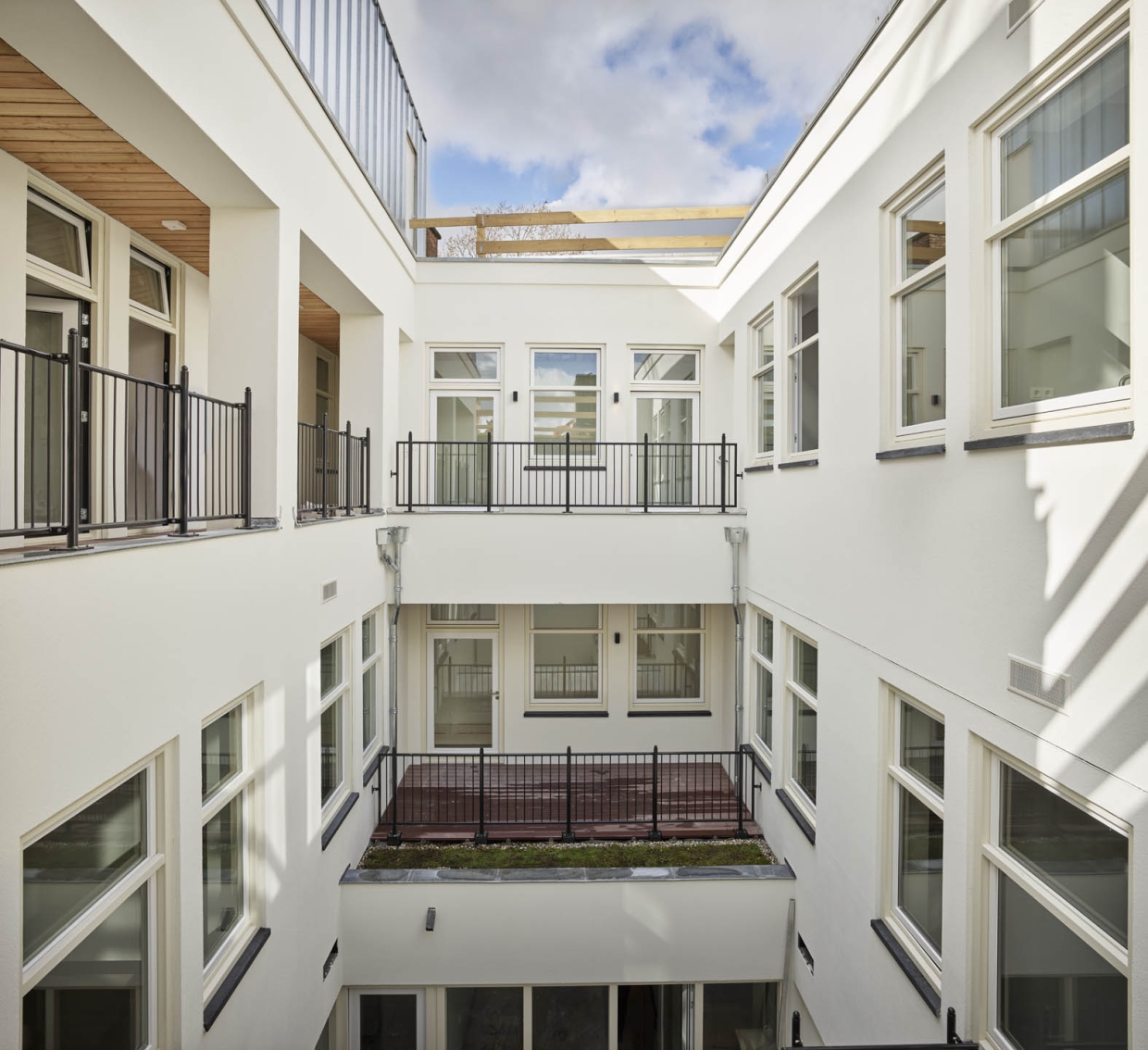
Financing an investment property
Financing an investment property works slightly differently than financing your own home (or holiday home). Regular residential mortgages cannot be used to build up an investment portfolio. With a regular home mortgage, you will in principle not receive permission from the bank to rent it out on a long-term basis.
Which mortgage can you use to build a real estate portfolio? You finance investment properties with a real estate mortgage. A commercial mortgage product for both companies and private individuals. Different standards apply to obtaining a real estate mortgage. There is no limit to the number of real estate mortgages you can get and in principle these are not tested on income or the amount of your own home mortgage. Instead, the property must be appraised. The market value in rented condition and the rental value are determined. You can then finance up to 80% of the market value in a rented state, provided that the rental value is at least 25% higher than the monthly mortgage costs at the start of financing. The interest is determined depending on the level of financing and the chosen fixed interest period. This is higher than that of a regular home mortgage.
For more useful information about the financing of investment properties, go to Financing- Regelen.nl.
Step 2: make a return calculation
If you plan to buy a property to rent out, it is very important that it provides a good return. This gives you the opportunity to purchase more investment properties in the future and thus build up a real estate portfolio. It is therefore good to know what your return is if you can purchase a property for price A and rent out this property for price B. Naturally, you do not know in advance exactly what you can ask for rent, but if you have properly mapped out the market you should be able to make a good estimate. Return on real estate investing consists of 3 components:- Return due to positive monthly cash flow. A positive cash flow occurs when rental income is at least 25% higher than the total monthly costs. These costs include financing costs (interest and repayment) and management and maintenance costs.
- Return through repayment. By making monthly repayments of your real estate mortgage, you build up equity, provided your property is financed.
- Return due to possible increase in value. Real estate values often increase in the long term. This also creates excess value.

When does a property yield a high return?
There are several factors that make an investment property worthwhile. The perfect real estate investment is a property that:
- you can purchase at a competitive price. Always check the average price per m2.
- is attractive to the rental market, so you can prevent future vacancy.
- can be rented out at a good price. Check the number of rental points for the property. You can consult the Rent Tribunal website for this. It is also wise to compare average rents for similar homes in the same neighborhood.
- can be checked against platforms such as Funda or Pararius for local rental prices.
- does not have high owners' association costs, high leasehold costs, high service costs or other hidden costs for you as the owner.
- is in good condition.
- is easy to manage.
- is expected to increase in value in the future and can be sold easily at a profit.
Step 3: find a suitable investment property
Firstly, when looking for an ideal investment property, it is important that you know the market well. As mentioned above, it is important to check in which city and in which district you can ask which rent. And this of course goes beyond the rental price. Which city and which district is under development? Where are the opportunities? Because apart from being able to ask for a good rent now, if you invest for the long term you also want your property to increase in value. In addition to thorough market research, it is also crucial to build a network. Help from others, with specific knowledge of the real estate world, always brings you further. Here you can think of a network with the following parties:- Purchasing agent. If you want to buy a property in a popular market, a good purchasing agent can help you acquire the property.
- Tip! When choosing a purchasing agent, check whether he or she can also handle the rental. This can save you money and means that the purchasing agent also has to immediately think about renting out your investment property. A rental agent ensures that you don't have to worry about it, but of course it does cost money.
- Financial advisor. When financing needs to be arranged, a financial advisor with knowledge of the market is extremely useful.
- Property manager. Good management of your rental property(s) is very important. Provide a point of contact for tenants, so that questions and emergencies are responded to adequately. 365Beheer can help you with this. We relieve real estate investors of the worries of various objects such as homes, student housing, retail properties, offices and all other commercial real estate.
Step 4: rent out your investment property
It is very important that you approach the rental of your property(s) professionally. This way you prevent the return on your real estate portfolio from disappointing. A few things to pay attention to:- Permits. If you want to rent out your property per room, it is important that you investigate whether it has the necessary permits. In many cities it is not simply possible to divide independent living space (e.g. a house or apartment) into several non-self-contained units.
- Different regulations from municipalities. In some municipalities there are exceptions with regard to regulating rental prices. To be sure whether your property can be rented in a liberalized manner and whether your municipality does not deviate from national policy, it is always advisable to investigate this carefully.
- Change of tenants. It can be useful to arrange the rental situation in such a way that you know in advance that tenants will want to stay there for a maximum of 2 to 3 years. For example, a starting couple will probably want to move to a larger home after a few years. When the property becomes vacant again, you can rent it out again at a market rate. You can also choose to sell the property - empty and at a profit - at any time.
- Rental agreement. Ensure a professional and legally correct rental agreement.
Step 5: manage your investment property
Once you have rented out your investment property, the final step is property management. Your tenants must have a point of contact for technical matters and administrative questions. It is important that you as a landlord can anticipate questions and requests quickly and effectively. This keeps tenants satisfied, prevents irregular rent payments or arrears and prevents the state of maintenance of your property from deteriorating too quickly. You can choose to manage your property(s) yourself or outsource it. Both technical and financial management can be outsourced (partly or completely). For a small percentage of your rental income, 365 Beheer can relieve you of your worries. What exactly you outsource is entirely up to you. This way you never pay for things you don't use. Tip! To prevent risk, as a real estate investor you want to limit your own involvement and activities as much as possible. To ensure that you remain in Box 3 for multiple investment properties for the tax authorities, it is wise to outsource property management. You can find more information in this article about property management in box 3.
Outsource property management to 365Beheer
365 Beheer takes care of real estate investors. There is a tailor-made solution for every management assignment, small or large. Technical, commercial or financial management: it is entirely up to you which matters you outsource. As a professional property manager, we ensure that the management of your property is optimally organized and we also investigate what needs to be done to get the maximum return from your rental. Our unique approach allows us to always offer an efficient, fast and transparent service for a competitive price.




Call me back
Would you like us to call you back? Enter your name and contact details below and we will contact you as soon as possible.

Contact us
Send us a message. We're happy to help!

